News
Power Space tailor-made dust removal plan for you
How to Reduce Dust in a Workshop
Processes like welding, grinding, cutting, sanding, and polishing generate a high volume of fine particulates that can no longer be ignored. In the competitive landscape of 2025, a clean-air strategy isn't just an "extra"—it's a core component of a high-performing operation. This guide provides a comprehensive strategy on how to reduce workshop dust effectively, transforming your facility into a safer and more efficient environment.
The True Cost of "Just a Little Dust"
Before exploring solutions, it's critical to understand the full cost of inaction. The dust in your workshop is costing you more than you think, in three key areas:
1. The Health Cost
This is the most critical factor. The fine, often invisible, dust (known as PM2.5) gets deep into the lungs and can cause severe, irreversible health problems for your team.
Respiratory Diseases: Long-term exposure leads to conditions like industrial bronchitis, asthma, and pneumoconiosis (from silica or metal dust).
Toxic Fumes: Welding fume control is a major concern, as the fume is a complex mix of metallic oxides and toxic gases (like hexavalent chromium) that are known carcinogens.
Metal Fume Fever: An acute, flu-like reaction to welding galvanized metals.

2. The Operational Cost
Dust is a silent saboteur of your productivity and equipment.
Equipment Damage: Conductive metallic dust from grinding and cutting is the enemy of modern electronics. It infiltrates CNC machines, robotic controllers, and computers, causing short circuits, overheating, and premature failure.
Quality Control Defects: Dust settling on products during finishing, painting, or assembly can lead to costly rework and customer rejections.
Wasted Labor: A dusty shop requires constant, non-value-added cleaning labor, taking your skilled team away from productive work.
3. The Compliance Cost
Government bodies like OSHA (Occupational Safety and Health Administration) are enforcing workshop air quality standards more strictly than ever. Failure to manage dust and fumes can result in:
Heavy Fines: Penalties for non-compliance can be severe, directly impacting your bottom line.
Forced Shutdowns: In serious cases, regulators can halt your operations until the air quality issues are resolved.
Increased Liability: A poor health and safety record increases your insurance premiums and legal liability.
A 3-Step Strategy for Effective Workshop Dust Control
Reducing dust isn't about a single product; it's about implementing a multi-layered strategy. The most effective approach, used by safety professionals, is the "Hierarchy of Controls."
Step 1: Engineering Controls (The Most Effective Solution)
This is the most important step: capturing the dust at its source before it can escape. This is where a high-performance dust collection system is essential. By removing the contaminant from the air, you solve the problem at its root. Choosing the right dust in workshop solutions depends entirely on your application, shop layout, and the type of dust you produce.
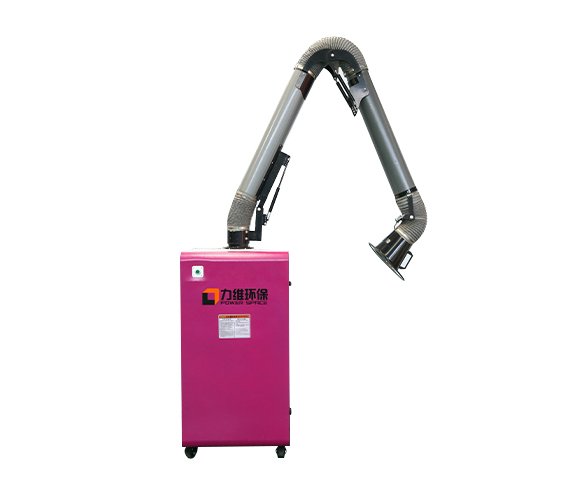
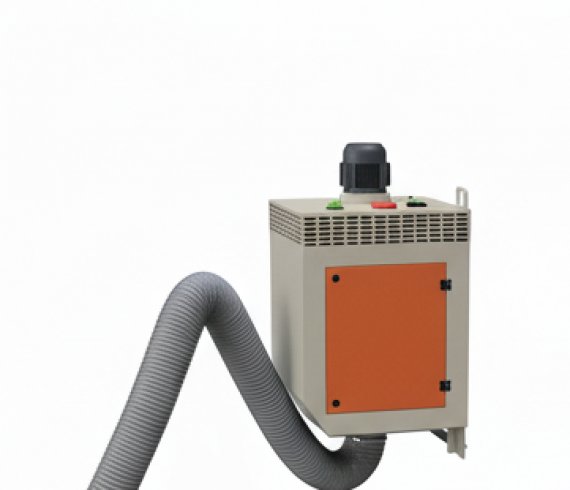
Mobile Fume Extractors: These are the workhorses of a flexible workshop. A mobile welding fume collector with one or two flexible suction arms can be moved directly to any welding or grinding station. It captures fumes immediately, providing maximum protection for the operator and preventing the dust from ever reaching the general shop air.

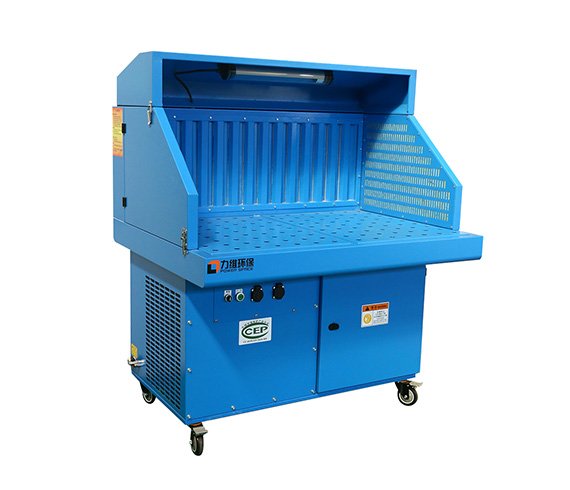
Downdraft Tables: This is an ideal solution for grinding dust or small-part plasma cutting. The work is done directly on a ventilated table that pulls dust and fumes down and away from the operator's breathing zone.

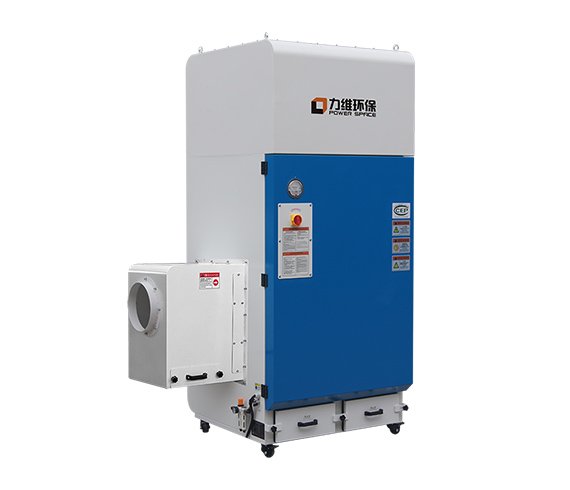
Laser Dust Collector: If you have a large facility with multiple fixed stations (e.g., a row of welding booths, robotic welding cells, or large CNC plasma tables), this laser dust collection system is more practical. A large, stationary collector is connected via a network of fixed ductwork to each station, pulling all contaminants to a single, high-capacity filtration unit.

Step 2: Administrative Controls
These are your work practices and policies that reduce exposure.
Regular Cleaning Schedules: Implement a routine for using industrial vacuums (not compressed air, which makes dust airborne).
Operator Training: Train your team on the risks of dust and the proper use of dust control equipment.
Process Management: Enclose processes where possible or restrict access to high-dust areas.
Step 3: Personal Protective Equipment
This includes respirators and masks. PPE is critical, but it should be considered the last line of defense. It protects the individual but does not solve the root problem. If the air in your shop is so dusty that PPE is required for basic work, your engineering controls (Step 1) have failed.
Key Features to Demand in Your 2025 Dust Collection System
When you invest in a dust collector, make sure it is equipped with modern technology for maximum efficiency and a lower cost of ownership.
High-Efficiency Filtration: Insist on high-grade filter media. For welding and cutting, this means a flame-retardant filter cartridge. A PTFE membrane coating is also highly recommended, as it prevents fine dust from sticking, making the filter last longer.
Automatic Pulse-Jet Cleaning: This is a non-negotiable feature for industrial use. The system automatically blasts the filter with compressed air to dislodge caked-on dust. This keeps the suction strong and dramatically reduces your maintenance, as you won't have to manually clean the filters.
Smart Design: The unit should be built from heavy-gauge steel. For mobile units, look for high-quality, locking casters. A smart control panel that indicates when the filter is full or needs service is also a key feature.
Conclusion: An Investment in Profitability, Not an Expense
Successfully reducing dust in your workshop is a strategic decision that pays for itself. It is a direct investment in your team's health, the lifespan of your expensive machinery, and your company's legal and regulatory standing.
Ready to implement Step 1 and engineer a cleaner, safer workshop? Contact our air quality specialists today for a free consultation and solution tailored to your specific process.