News
Power Space tailor-made dust removal plan for you
Maximizing Fabrication Efficiency: The Role of a Local Exhaust Ventilation System for Welding
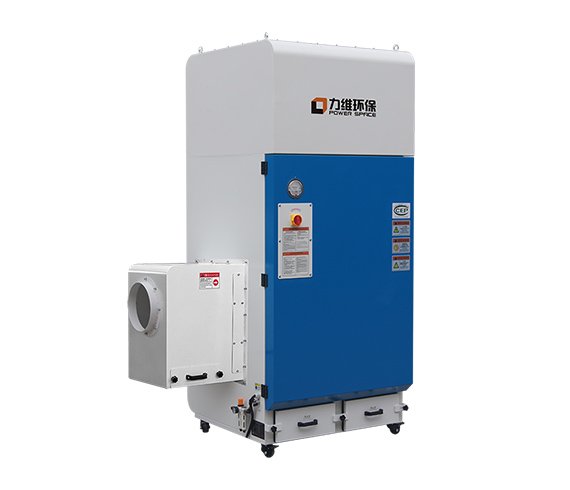
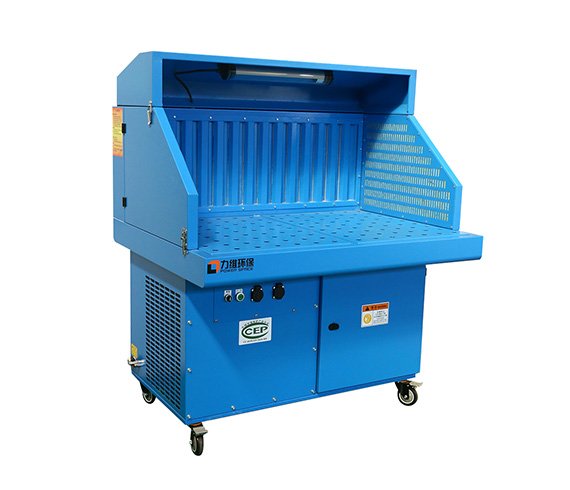
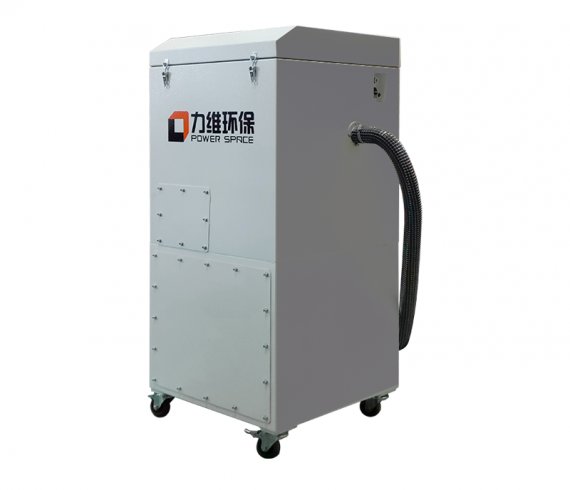
Relying on open doors or general fans is an ineffective strategy for industrial contaminants. A local exhaust ventilation system for welding operates on the principle of source capture. By utilizing a high-efficiency welding vent, the system intercepts up to 99% of particulates at the arc before they disperse into the wider facility.
This targeted approach protects the welder's breathing zone and preventing abrasive dust from accumulating on CNC rails, laser optics, or sensitive electronics. Implementing an LEV system is, in essence, a long-term asset protection strategy for your shop's hardware.
Selecting the Right Welding Vent Configuration
Industrial workflows dictate the hardware requirements. A welding vent setup must be tailored to the specific scale of production, from automotive components to structural steel.
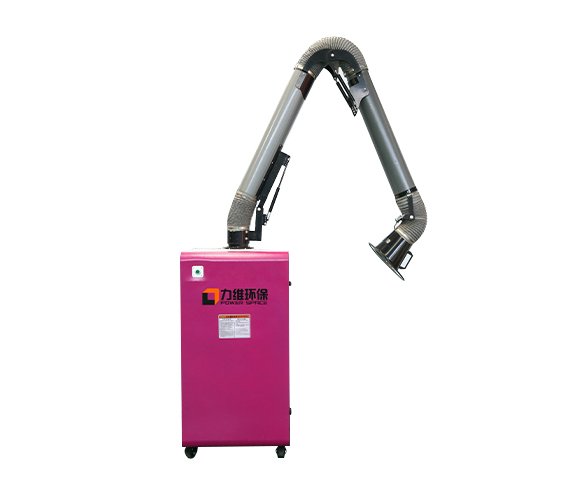
Flexible Suction Arms: Offer 360-degree maneuverability, allowing the welding vent to be positioned with precision regardless of part geometry.

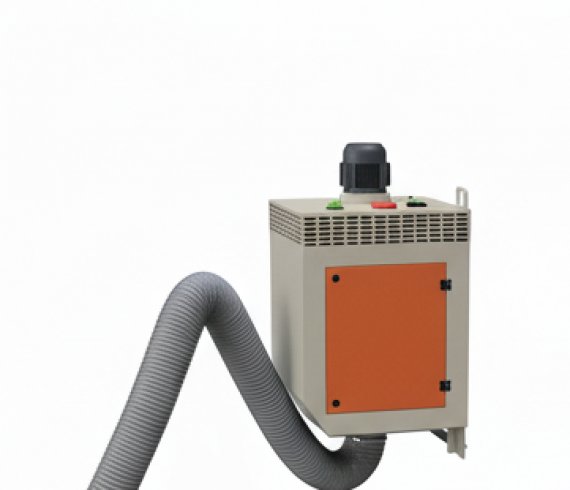
(welding extraction suction arm)
Extraction Hoods: Designed for high-volume automated cells, functioning as a high-capacity "smoke sponge" for robotic systems.

(welding extraction hoods)
Metric | General Ventilation | Local Exhaust Ventilation LEV |
| Efficiency | Low | 99% |
| Operational Cost | High | Low |
| Health & Safety | Minimal | Maximum Protection |
| Asset Lifespan | Reduced | Extended |
The Economic Case for Professional Welding Exhaust Ventilation
The financial justification for a local exhaust ventilation system for welding extends beyond safety. A clean environment directly correlates with reduced operator fatigue, lower turnover rates, and fewer sick days. By integrating a welding vent at every station, facilities boost morale and, consequently, net productivity.
Furthermore, compliance is a fiscal necessity. In jurisdictions governed by OSHA or HSE, an LEV system is often a mandatory requirement. Proactive installation mitigates the risk of catastrophic legal fines and ensures the facility remains operational under audit conditions.
System Integrity: Maintenance of Your Local Exhaust Ventilation System for Welding
To maintain peak volumetric flow at the welding vent, a rigorous maintenance schedule is required:
Filter Management: Monitor differential pressure on HEPA or PTFE filters; execute pulse-cleaning or replacement as indicated.
Ductwork Audit: Inspect for leaks or obstructions that compromise static pressure within the local exhaust ventilation system for welding.
Proximity Protocol: Ensure welders maintain a vent distance of 15–30cm from the arc to prevent bypass airflow.
Conclusion: Investing Your Industrial Welding Ventilation
Investing in a local exhaust ventilation system for welding is a multifaceted decision that safeguards human capital and technical assets. Whether deploying a portable unit or a multi-station centralized welding vent network, air quality management is the smartest operational investment for this fiscal year. Contact our experts, get the free industrial welding exhaust ventilation solution!